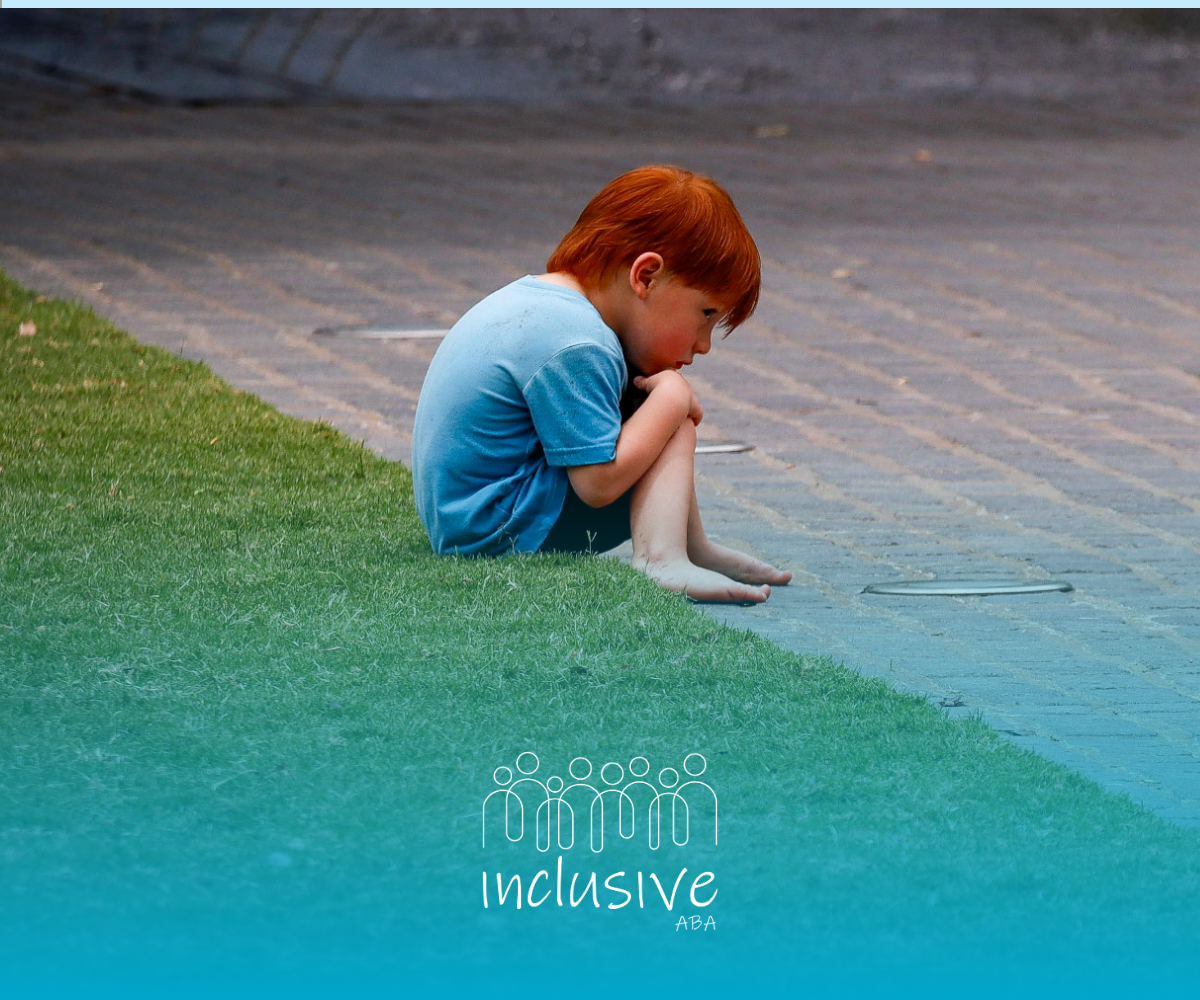
What Does Severe Autism Look Like?
Severe autism, also known as nonverbal or low-functioning autism, can manifest in various ways, often impacting a child’s ability to communicate, interact socially, and perform daily tasks. Here’s what severe autism might look like:
- Limited Communication Skills – Children with severe autism may be
nonverbal or have very limited speech. They may struggle to express their needs, which can lead to frustration.
- Social Challenges – Social interactions can be difficult. A child may avoid eye contact, have trouble forming relationships, or struggle with understanding social cues.
- Repetitive Behaviors – Repetitive behaviors, such as hand-flapping, rocking, or repeating phrases, are common in severe autism. These actions can help self-regulate or soothe anxiety.
- Difficulty with Daily Tasks – Severe autism can affect a child’s ability to perform daily activities like dressing, eating, or using the bathroom independently.
- Sensory Sensitivities – Children with severe autism may experience heightened sensitivities to light, sound, textures, and other sensory inputs, leading to meltdowns or withdrawal.
Need support with ABA therapy?
At Inclusive ABA, we provide tailored ABA therapy in Nevada, Nebraska, and Colorado to help children with severe autism improve their communication and daily living skills.
Contact us today to learn more about our ABA therapy services.
SOURCES:
https://www.mayoclinic.org/diseases-conditions/autism-spectrum-disorder/symptoms-causes/syc-20352928
https://www.startstemcells.com/what-is-severe-autism-how-to-help.html
https://nexushealthsystems.com/severe-autism/
https://www.autismspeaks.org/levels-of-autism
https://carescribe.io/blog/what-is-severe-autism-symptoms-behaviour-and-levels/
Looking for Expert Help? We're Here for You!
Our compassionate and skilled team is devoted to enhancing your child's development through customized ABA therapy. Let us partner with you to create a supportive environment for your child's success.
Discover how we can help your family thrive with expert ABA therapy.
Related Posts