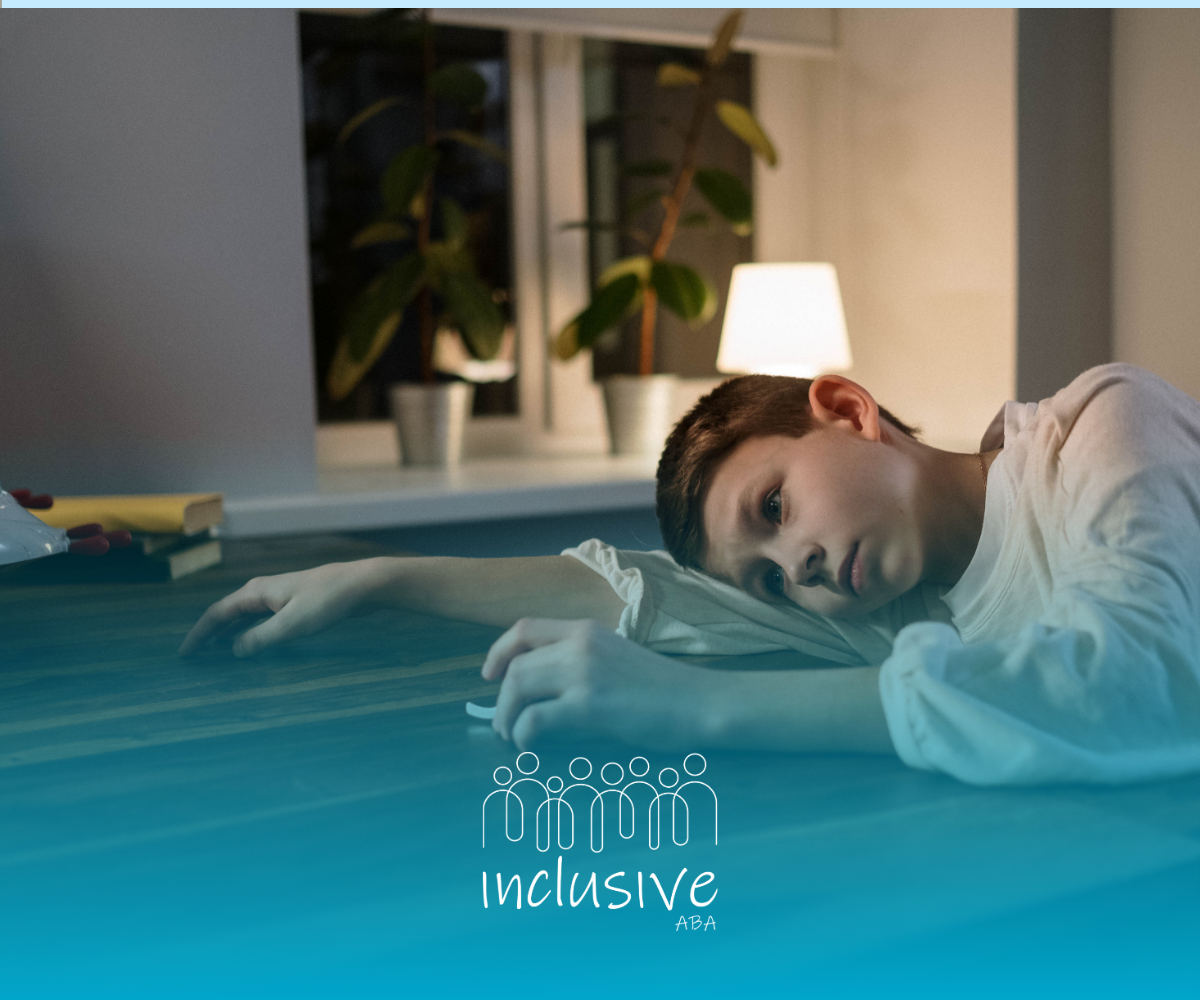
What Is the Hardest Age for Autism?
What is the hardest age for autism? No universal answer; many parents report adolescence (13-18) as toughest due to puberty, social demands, and independence struggles. Early childhood (2-5) challenges communication delays; school age (6-12) brings peer issues.
Tough Stages: What Is the Hardest Age for Autism?
Scan parent-reported peaks.
- 2-5 years: Speech frustration, tantrums.
- 6-12 years: School social gaps.
- 13-18 years: Hormones, bullying, anxiety.
ABA interventions help 70% navigate transitions better.
At Inclusive ABA Colorado, what is the hardest age for autism? Teens for our families; ABA cut anxiety 50%. Level up any age—contact Inclusive ABA for age chart from out concultant-specific ABA via one click.
FAQ
What is the hardest age for autism parents?
Teens (13-18) for social, puberty issues.
Why adolescence in what is the hardest age for autism?
Increased expectations, masking burnout.
Does autism worsen at certain ages?
No, demands change; support adapts.
Looking for Expert Help? We're Here for You!
Our compassionate and skilled team is devoted to enhancing your child's development through customized ABA therapy. Let us partner with you to create a supportive environment for your child's success.
Discover how we can help your family thrive with expert ABA therapy.
Related Posts