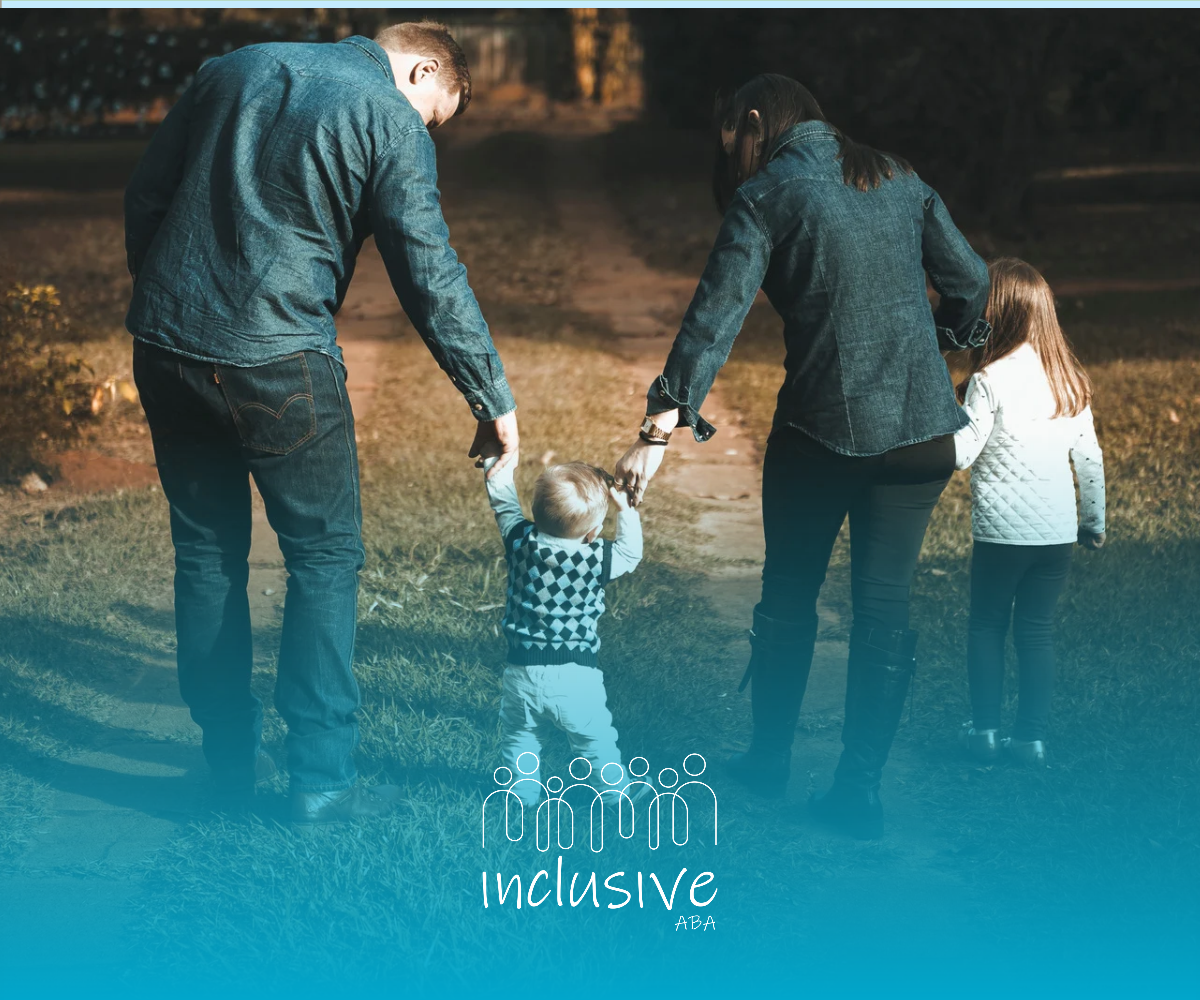
Healthy Pregnancy and Brain Development: A Parent's Guide
Pregnancy comes with a long checklist. Prenatal vitamins, doctor's visits, the "don't eat" list taped to the fridge. Most of it genuinely supports a baby's growing brain. But somewhere along the way, prenatal advice picked up a misleading habit, framing every healthy choice as a way to "prevent" autism.
Science doesn't work that way. Decades of research show autism is overwhelmingly genetic, not something a parent causes or stops by what they eat or skip during pregnancy. At the same time, real, evidence-based prenatal care protects fetal brain development in measurable ways. Both things can be true.
This guide separates the two. You'll find what doctors actually recommend for a healthy pregnancy, what the research says about autism in families, and why the autistic community, including the growing adult autism population speaking up online, wants this conversation reframed.
The Short Answer
Healthy prenatal habits, like taking folic acid, avoiding alcohol and tobacco, managing chronic conditions, and reviewing medications with a doctor, support fetal brain development. They reduce the risk of neural tube defects, fetal alcohol spectrum disorder, and other neurodevelopmental conditions. They do not prevent autism. Autism is largely heritable, with twin studies placing genetic contribution between 64% and 93%. The goal of prenatal care is a healthy pregnancy, not a particular neurotype.
Why Autism in Families Is Mostly About Genetics
Autism shows up in families because DNA is doing the heavy lifting. A large 2019 meta-analysis published in JAMA Psychiatry pooled data from five countries and more than two million children, placing autism heritability at roughly 80%. Many of the implicated genes shape early brain wiring and synapse formation.
That means when autism in families appears, the explanation is rarely something a mother ate, drank, or stressed about during pregnancy. It's the genetic information passed down across generations, often quietly, sometimes alongside related traits like ADHD, dyslexia, or anxiety.
This is also why diagnoses of adult autism have risen sharply in the last decade. Many adults discover their own autism only after a child is diagnosed. They aren't newly autistic. They were never identified earlier because diagnostic criteria, clinical awareness, and public acceptance were narrower. The adult autism community now shapes how clinicians, schools, and ABA providers think about support, and most major autism organizations describe autism as a difference in brain wiring rather than a defect to be erased.
What Prenatal Care Actually Does for Brain Development
A healthy pregnancy isn't about preventing autism. It's about giving every baby, autistic or not, the strongest possible neurological start. Here is what the research supports.
Folic acid: the most studied prenatal nutrient. The CDC recommends that anyone who could become pregnant take 400 micrograms of folic acid daily, starting at least one month before conception. Folic acid helps the neural tube, the early structure that becomes the brain and spinal cord, close properly during the first 28 days of pregnancy. Without enough folic acid, the risk of neural tube defects like spina bifida and anencephaly climbs sharply. Folic acid does not prevent autism, but it does support healthy brain and spine formation during the earliest, most rapid stage of fetal neurological growth.
Medications that require careful review. Some medications carry well-documented risks during pregnancy. Valproate, an antiseizure and mood-stabilizer drug, is the clearest example. The FDA carries a black box warning on valproate products. Pregnancy registry data show roughly a 10% rate of major birth defects and up to a 40% rate of developmental disorders in exposed children, with about a threefold increase in autism likelihood compared to children of unexposed mothers. That doesn't make valproate a general cause of autism. It accounts for only a tiny share of cases. But it is a clear example of a drug requiring careful preconception planning. Anyone taking valproate, certain antiepileptics, methotrexate, isotretinoin, warfarin, or other teratogenic medications should speak with a prescriber before trying to conceive. Stopping these medications abruptly can be dangerous, so the right plan is built with a doctor.
Alcohol and tobacco. The American College of Obstetricians and Gynecologists states there is no known safe level of alcohol use during pregnancy. Prenatal alcohol exposure is the leading preventable cause of intellectual disability and is linked to fetal alcohol spectrum disorders (FASD), which affect central nervous system function, growth, and behavior. Nicotine narrows blood vessels and limits oxygen and nutrient flow to the fetus. Smoking during pregnancy is associated with preterm birth, low birth weight, and lasting effects on brain and lung development. Avoiding alcohol and tobacco doesn't prevent autism, but it protects a developing brain from documented teratogenic harm.
Managing chronic conditions. Diabetes, hypertension, thyroid disorders, and severe untreated infections all shape the prenatal environment. ACOG recommends preconception counseling so chronic conditions are stabilized before pregnancy begins. The actionable principle is simple: optimize maternal health before and during pregnancy, with a doctor's involvement, and let the rest of the developmental story unfold on its own timeline.
A Practical Prenatal Checklist
A quick reference of what evidence-based prenatal care looks like in practice: take 400 mcg of folic acid daily starting at least a month before conception; schedule a preconception visit to review current medications; avoid alcohol completely once pregnancy is possible; stop smoking and limit secondhand smoke exposure; get chronic conditions under control before pregnancy; stay current on vaccinations recommended by your OB; eat a balanced diet with adequate iron, iodine, and omega-3s; attend regular prenatal appointments; and manage sleep and stress where you can.
If Autism Runs in Your Family
If autism in families is part of your story, the most useful next step isn't searching for prevention strategies during pregnancy. It's connecting with developmental specialists early, monitoring milestones, and learning about supports that help autistic children, and the adults they grow into, thrive. Early identification and neurodiversity-affirming care are far more impactful than any prenatal checklist aimed at preventing something that isn't preventable in the first place.
Supporting Your Family Through Every Stage
Prenatal care matters. Folic acid, careful medication planning, avoiding alcohol and tobacco, and managing chronic conditions all give a developing brain its strongest possible foundation. None of those steps prevent autism, and treating prenatal care as autism prevention only adds guilt for families and stigma for the autistic community. Healthy pregnancy and autism are two separate conversations, and both deserve accurate information.
If autism in families is part of your story, what matters most happens after pregnancy: early identification, the right supports, and a team that sees your child's strengths instead of focusing on what could have been done differently. That's where we come in.
Inclusive ABA partners with families across Colorado, Nevada, Iowa, Nebraska, and Ohio. Our BCBAs and RBTs deliver in-home ABA therapy, parent training, and in-school support built around each child, not a one-size-fits-all program. We accept all major insurance plans, offer bilingual services, and have no waitlist, so the path from first call to first session is short.
Whether you're processing a new diagnosis, looking for a second opinion on your current ABA plan, or planning support for a child who hasn't started services yet, we'd like to hear from you. Book a free consultation and let's talk about what your child actually needs.
Frequently Asked Questions
Can you prevent autism during pregnancy?
Describe the item or answer the question so that site visitors who are interested get more information. You can emphasize this text with bullets, italics or bold, and add links.Does folic acid prevent autism?
Folic acid prevents neural tube defects like spina bifida and anencephaly. Some studies have explored possible associations with lower rates of certain language delays, but folic acid is not an autism prevention tool. Take it for the well-established benefits to brain and spinal cord formation.
Is autism becoming more common because of something during pregnancy?
Diagnosis rates have risen primarily due to broader criteria, better screening, and greater awareness, including the rise of adult autism diagnoses. Researchers do not attribute rising prevalence to prenatal factors.
Looking for Expert Help? We're Here for You!
Our compassionate and skilled team is devoted to enhancing your child's development through customized ABA therapy. Let us partner with you to create a supportive environment for your child's success.
Discover how we can help your family thrive with expert ABA therapy.
Related Posts