Autism Masking: The Hidden Reason Diagnosis Comes Late
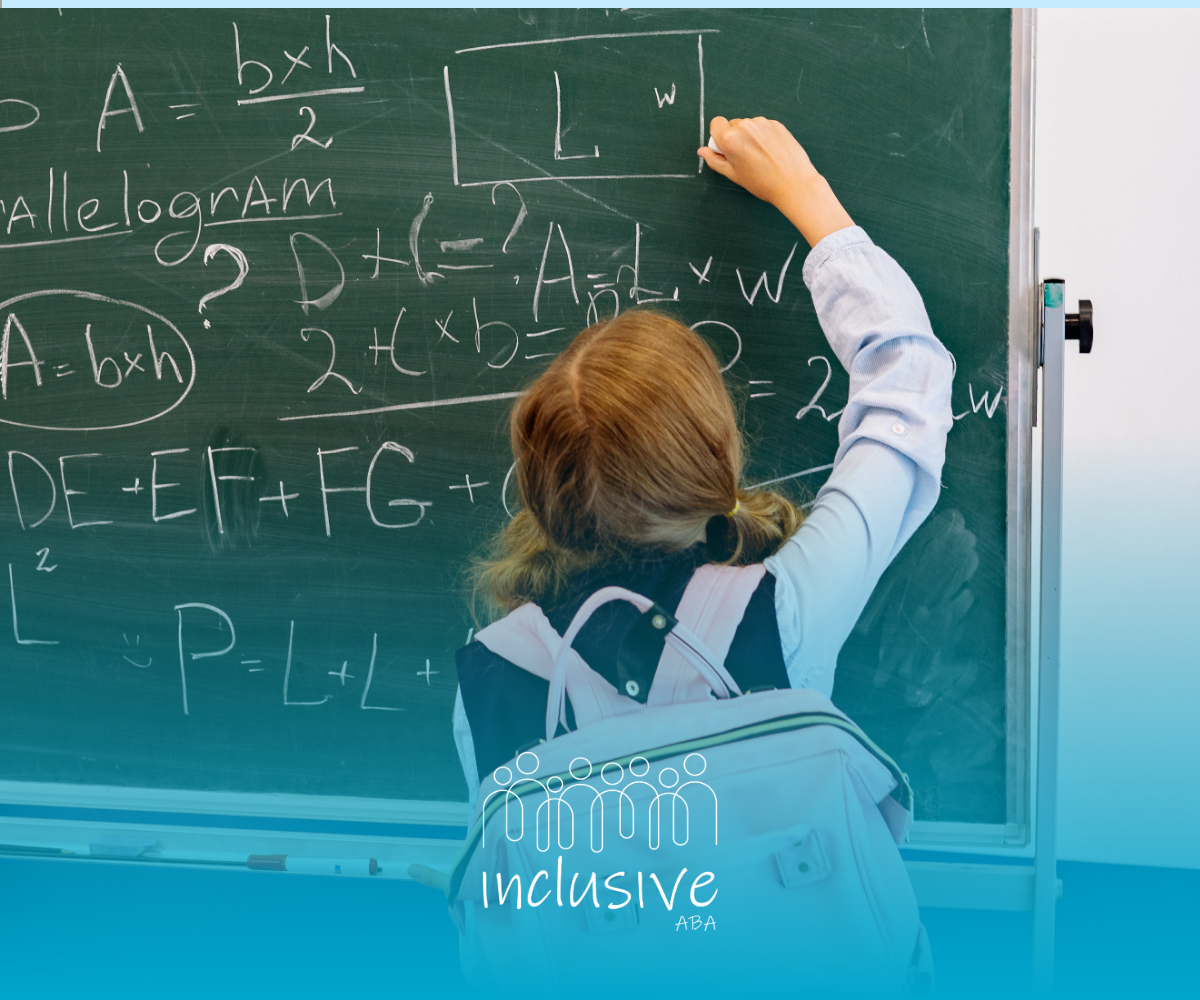
Her teacher says she's doing great. Quiet, polite, keeps up in class.
At home, she falls apart the second she walks through the door.
That gap between "fine at school" and "falling apart at home" has a name. Autism masking, sometimes called camouflaging, is when an autistic person consciously or unconsciously hides or suppresses their natural traits to appear more neurotypical. It takes enormous effort, and it's one of the biggest reasons autism gets missed, especially in girls, for years.
This guide covers what autism masking and camouflaging actually looks like, why it happens, what it costs, and what genuinely helps.
What Is Autism Masking / Camouflaging? A Real Definition
This isn't a vague personality trait. Researchers have studied it closely enough to break it into specific parts.
Autism masking is when an autistic person consciously or unconsciously changes their natural behavior to appear more "neurotypical" and fit social expectations, and researchers often use the term camouflaging to describe the same underlying pattern.
A major systematic review broke camouflaging down into three distinct strategies. Compensation involves using alternative cognitive routes to present as less autistic despite ongoing underlying differences, while masking hides autistic characteristics, and assimilation reflects the effort of trying to appear to fit in. These aren't separate behaviors so much as three angles on the same effort: looking okay on the outside, regardless of what's happening underneath.
Autism masking / camouflaging isn't limited to any one gender, but the pattern shows up in the research most consistently among girls and women. Quantitative research has found females report significantly higher total camouflaging scores than males, particularly on compensation and masking, even though rates of assimilation didn't differ by gender in the same study.
Why This Connects So Directly to Late Diagnosis
This isn't a side note. It's one of the central reasons so many autistic girls and women are diagnosed years, sometimes decades, later than autistic boys.
Autism has historically been underdiagnosed in females, in part because females may express autism in ways that don't fully match current diagnostic criteria, criteria built largely around research samples of autistic boys.
Camouflaging is a direct contributor to that gap. Diagnostic pathways shaped around male-presenting samples make it easier to miss autistic traits in girls and women, particularly when masking is present, since a child who appears socially capable on the surface doesn't fit the pattern a clinician may be trained to look for.
This isn't a new observation, even if awareness of it is newly growing. Autistic women writing about their own experiences described behaviors related to camouflaging decades before it became a formal research topic, describing years spent consciously performing "normal" before ever receiving a diagnosis. Clinical case studies from the early 1990s independently noted similar patterns in girls, long before the term camouflaging entered common use.
What Autism Masking / Camouflaging Actually Looks Like
Masking rarely looks dramatic from the outside. That's the point, and also the problem.
Common patterns researchers and clinicians describe include:
- Rehearsing or scripting conversations in advance, including small talk
- Consciously copying facial expressions, gestures, or tone from others
- Forcing eye contact that feels physically uncomfortable
- Suppressing stimming (hand-flapping, rocking, fidgeting) in public settings
- Mimicking peers' interests or reactions to seem more socially aligned
- Going quiet or "shutting down" in overwhelming settings rather than visibly struggling
These strategies can be genuinely impressive from the outside, but they also require real, ongoing energy to maintain, session after session, day after day.
The Real Cost of Autism Masking / Camouflaging
This is the part that often gets missed until it can't be ignored anymore.
Camouflaging isn't free. Research using the Camouflaging Autistic Traits Questionnaire (CAT-Q), the primary tool used to measure this pattern, has found consistent links to wellbeing. Greater use of camouflaging is associated with increased mental health challenges among autistic adults, and higher CAT-Q scores are linked to lower overall wellbeing.
The connection to specific conditions is well documented too. All CAT-Q scores were found to correlate with both depression and generalized anxiety in autistic people in the original validation research behind the questionnaire.
Some of the more recent research has looked at especially serious outcomes. A 2025 study specifically examining camouflaging, anxiety, and suicidal ideation in women found autistic women scored higher than non-autistic women across measures of camouflaging, anxiety, and suicidal ideation, with anxiety appearing to play a role in that relationship. This is a sensitive area of research, and if any of this feels close to home right now, please know support is available, and reaching out to a mental health professional or a crisis line in your area is a reasonable, worthwhile step.
Autistic Burnout: When Masking Catches Up
There's a specific term for what happens when this effort becomes unsustainable.
Autistic burnout is commonly described as a state of deep exhaustion and reduced functioning following prolonged stress, sensory load, and sustained pressure to cope beyond one's actual capacity. It's not the same as simply being tired. It's a functional decline that can take real time to recover from.
This is exactly why the "she's fine at school, but falls apart at home" pattern matters so much. The falling apart isn't a separate problem. It's often the actual cost of the masking becoming visible, just delayed and displaced to somewhere safer to let it show.
An Illustrative Example: The Diagnosis That Came at Fourteen
A mother brought her fourteen-year-old daughter in for an evaluation after years of being told by teachers that she was "just shy" and "a little intense about her interests, but doing fine."
At home, evenings looked different. Meltdowns after school. Exhaustion that didn't match a day of sitting in classrooms. A need for total silence for an hour before she could speak to anyone.
The evaluation revealed years of careful, exhausting social performance: memorized responses to common questions, forced eye contact she'd practiced in the mirror, and a habit of watching other girls closely to copy their reactions in real time. None of it showed up as "autistic behavior" to her teachers, because it was specifically designed not to.
Her mother's first reaction was relief, followed quickly by grief for the years her daughter spent doing this work alone, without anyone naming what was happening or why.
What Actually Helps
Understanding masking changes what good support looks like. A few things matter most.
Naming it reduces the isolation. Many autistic people don't realize what they're doing is masking until someone gives them the word for it. That alone tends to be meaningful, not just clinically, but personally.
Support shouldn't ask for more masking. A support plan that pushes a child to make more eye contact, suppress more stimming, or perform "normal" more convincingly isn't solving the underlying problem. It's often making the exact thing driving the exhaustion worse.
Recovery time matters as much as skill-building. Time and space to stop performing, at home, in therapy, anywhere, is part of the plan, not a break from it.
Diagnosis timing isn't a measure of severity. A later diagnosis, especially one delayed by effective masking, doesn't mean someone's needs are smaller. It often means they've been unsupported for longer.
How ABA Can Support Without Reinforcing the Mask
This matters directly for how ABA gets practiced, not just understood.
Goals built around suppressing stimming, forcing eye contact, or rewarding a child for "acting more typical" risk teaching a child to mask more effectively, not addressing what they actually need. A thoughtful plan looks different: functional communication goals, sensory regulation support, and skill-building aimed at genuine quality of life, not surface-level appearance.
This connects directly to how we think about assent-based, neurodiversity-affirming practice more broadly. Recognizing masking is part of recognizing when a child's compliance in session might be effortful performance rather than genuine engagement, and adjusting accordingly.
How Inclusive ABA Approaches Masking and Camouflaging
Our BCBAs are trained to watch for signs that a child's session behavior doesn't match their behavior at home, one of the clearest indicators that masking, not comfort, might be driving what we're seeing.
Goals are built around real functional needs and communication, not around making autistic traits less visible. This philosophy is part of the full ABA therapy services our team provides, and it shapes how we talk with families from the very first conversation.
We're also actively building out more resources specifically on autism in women and late-diagnosed presentations, since this topic deserves more than a single page can cover.
Try It Yourself: Recognizing the Patterns
Masking can be subtle enough that even close family members miss it for years. Use the interactive checklist below to explore common camouflaging patterns across different settings.
Recognizing the Patterns
Masking can look different at school than it does at home. Check any patterns that feel familiar in each setting, and see how the picture compares.
Where to Find ABA Support That Sees the Whole Picture
Inclusive ABA provides individualized ABA therapy that accounts for autism masking and camouflaging, for families across several states:
You Don't Have to Figure This Out Alone
So, what is autism masking / camouflaging, in one sentence? It's the quiet, exhausting work of performing "fine" so consistently that even the people closest to your child might miss what it's costing them.
If you've noticed that gap between how your child seems and how your child feels, you're not overreacting, and you're not alone in noticing it.
If you'd like to talk through what you're seeing, reach out to Inclusive ABA. We'll listen first, and build a plan around what your child actually needs, not just what they've learned to show the world.
Frequently Asked Questions
What is autism masking / camouflaging in simple terms?
It's the conscious or unconscious effort an autistic person makes to hide their natural traits and appear more neurotypical, often through scripted conversation, forced eye contact, or suppressed stimming.
Why is masking more commonly discussed in girls and women?
Research shows girls and women report higher camouflaging scores on average, and this pattern is a major contributor to autism being diagnosed later in females than in males.
Is masking harmful?
Sustained masking has been linked in research to higher rates of anxiety, depression, and autistic burnout. It isn't inherently dangerous in small doses, but chronic, sustained masking carries real costs.
Can a child be masking and still be genuinely struggling at home?
Yes, and this is one of the clearest patterns researchers and clinicians describe: appearing fine in one setting while showing real distress in another, often the one that feels safest.
Sources
- https://danmarinofoundation.org/what-is-autism-masking-understanding-camouflaging-in-autistic-individuals/
- https://www.sciencedirect.com/science/article/abs/pii/S0272735821001239
- https://www.sciencedirect.com/science/article/pii/S305057982500004X
- https://link.springer.com/article/10.1007/s40489-020-00197-9
- https://novopsych.com/assessments/formulation/camouflaging-autistic-traits-questionnaire-cat-q/
- https://pmc.ncbi.nlm.nih.gov/articles/PMC12879100/
Looking for Expert Help? We're Here for You!
Our compassionate and skilled team is devoted to enhancing your child's development through customized ABA therapy. Let us partner with you to create a supportive environment for your child's success.
Discover how we can help your family thrive with expert ABA therapy.
Related Posts