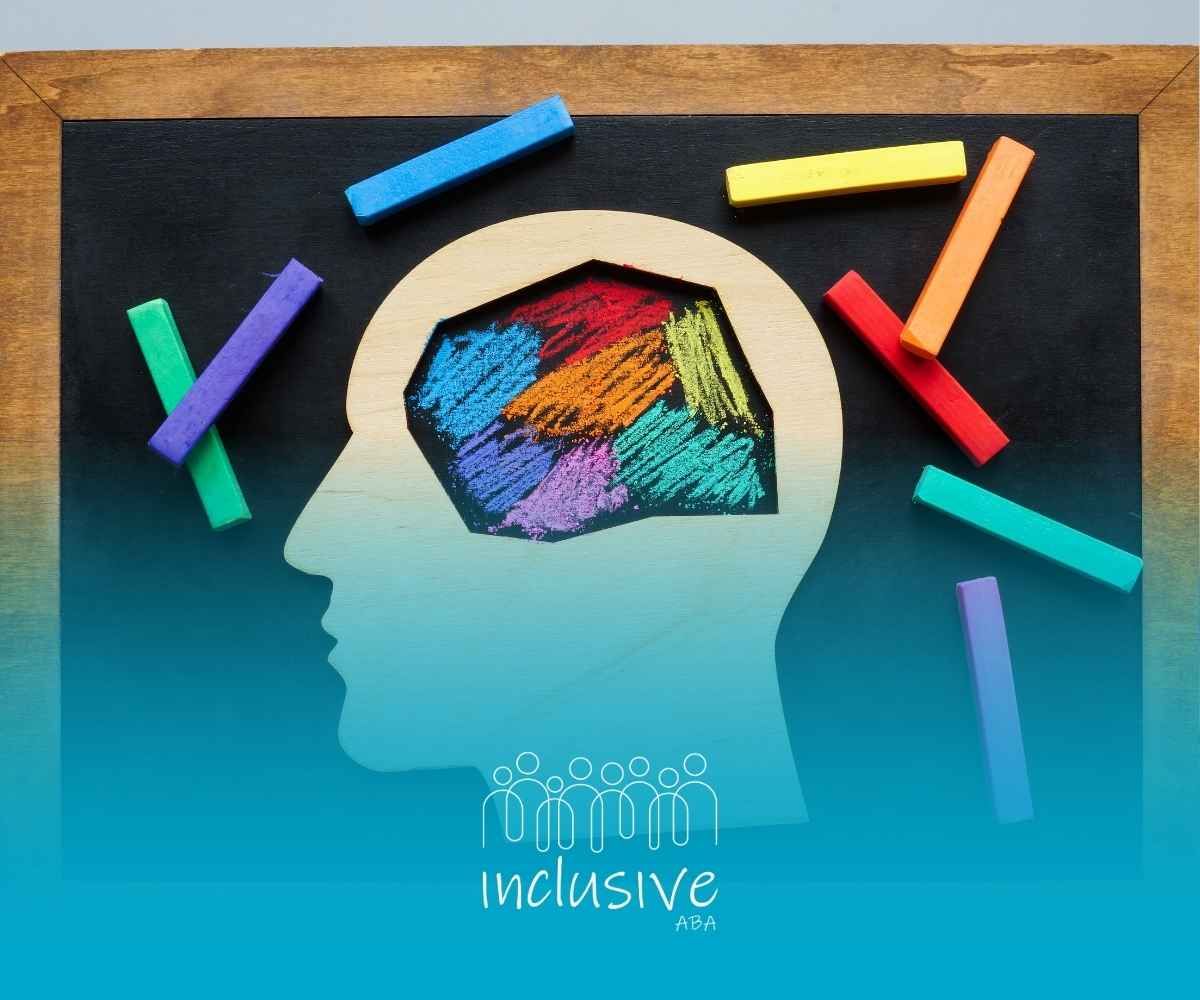
Why Transitions Are Challenging for Individuals With Autism
Transitions between tasks are a common challenge for many individuals with autism. A transition refers to moving from one activity, environment, or expectation to another, such as stopping playtime to start homework or leaving home for school. Research shows that difficulty with transitions is linked to differences in predictability, sensory processing, executive functioning, and communication, often associated with Autism Spectrum Disorder (ASD).
Understanding why transitions are difficult can help caregivers and professionals provide more effective support.
Why Transitions Can Be Difficult for Individuals With Autism
Difficulty With Predictability and Change
Many individuals with autism rely on routine and predictability to understand what is happening around them. Sudden or unexpected changes can increase stress because the next steps are unclear. Studies show that predictability helps reduce anxiety and supports emotional regulation, especially in young children with autism.
Differences in Executive Functioning
Executive functioning skills include planning, shifting attention, and stopping one activity to start another. Research indicates that some autistic individuals experience challenges with cognitive flexibility, making it harder to disengage from a preferred task and refocus on a new one.
Sensory Processing Differences
Transitions often involve sensory changes, such as moving from a quiet room to a noisy space or changing lighting, textures, or movement. Sensory processing differences can make these shifts overwhelming and may lead to avoidance behaviors or distress during transitions.
Common Signs of Transition Difficulties
Behavioral Responses
Difficulty with transitions may show up as crying, refusal, withdrawal, aggression, or repetitive behaviors. These responses are often a form of communication, signaling that the transition feels confusing, stressful, or unpredictable.
Emotional Responses
Increased anxiety, frustration, or emotional dysregulation during transitions is also common. Research shows that emotional responses often intensify when transitions are rushed or poorly explained.
Evidence-Based Strategies That Support Transitions
Visual Supports
Visual schedules, timers, and transition cues are widely supported by research in autism intervention. These tools help clarify what is happening now and what comes next, reducing uncertainty.
Clear and Consistent Routines
Consistent routines help build familiarity with transitions over time. When transitions follow a predictable pattern, individuals with autism are better able to anticipate change and prepare for it.
Gradual Warnings and Countdown Cues
Providing advance notice before transitions—such as verbal reminders or visual countdowns—gives time to mentally prepare. Studies show that gradual warnings reduce resistance and emotional distress.
How ABA Therapy Addresses Transition Challenges
Applied Behavior Analysis (ABA) uses data-driven strategies to teach skills that support smoother transitions. ABA programs often focus on teaching flexibility, increasing tolerance for change, and reinforcing successful transitions. Interventions are individualized and based on functional assessments to identify why transitions are difficult for each person.
ABA may also incorporate caregiver training to ensure strategies are used consistently across home, school, and community settings.
Conclusion
Transitions between tasks can be challenging for individuals with autism, especially when changes feel unexpected or overwhelming. Understanding the reasons behind these difficulties—such as differences in predictability, executive functioning, and sensory processing—can help caregivers choose effective, evidence-based supports. With the right strategies in place, transitions can become more manageable and less stressful over time.
At Inclusive ABA, we support children and families across Nevada, Nebraska, Colorado, Utah, Iowa, and Ohio with personalized ABA therapy focused on real-life skills, including smoother transitions between activities. Our team uses evidence-based strategies tailored to each child’s needs, helping families build routines that support independence, confidence, and daily success.
FAQs
Are transition difficulties common in autism?
Yes. Difficulty with transitions is a well-documented characteristic of autism and can occur across different ages and ability levels.
Do challenges transition improve over time?
Describe the item or answer the question so that site visitors who are interested get more information. You can emphasize this text with bullets, italics or bold, and add links.Can visual schedules help with transitions?
Yes. Visual schedules are evidence-based tools shown to improve understanding and reduce stress around transitions.
Are transition difficulties linked to behavior problems?
Challenging behaviors during transitions are often a response to stress or confusion rather than intentional defiance.
How can therapy support transitions?
Therapies like ABA focus on teaching coping skills, flexibility, and communication strategies that support smoother transitions.
Sources:
- https://www.autism.org.uk/advice-and-guidance/what-is-autism
- https://www.apa.org/topics/anxiety
- https://www.autismspeaks.org/blog/autism-emotional-regulation
- https://researchautism.org/college/cognitive-flexibility-keeping-thinking-limber-and-flexible/
- https://www.autism.org.uk/advice-and-guidance/topics/about-autism/sensory-processing
- https://reframingautism.org.au/pathological-demand-avoidance-pda-and-autism-guide-for-allies/
- https://sparkforautism.org/discover_article/repetitive-behaviors-autism/
- https://www.autismspeaks.org/applied-behavior-analysis
Looking for Expert Help? We're Here for You!
Our compassionate and skilled team is devoted to enhancing your child's development through customized ABA therapy. Let us partner with you to create a supportive environment for your child's success.
Discover how we can help your family thrive with expert ABA therapy.
Related Posts