Friendship Building Through ABA
Making and keeping friends is a joyful part of childhood, but it can present unique challenges for children on the autism spectrum. Navigating social rules, conversations, and play can sometimes feel overwhelming. Fortunately, Applied Behavior Analysis (ABA) therapy provides a supportive and effective path forward. This evidence-based approach helps children build the social skills they need to form meaningful friendships, boosting their confidence and enhancing their quality of life. Are you ready to explore how it works?
Understanding the Role of ABA in Friendship Building
Applied Behavior Analysis (ABA) plays a vital role in the social development of children with autism spectrum disorder. It uses a scientific and structured approach to teach essential skills for building relationships. By breaking down complex social interactions into smaller, understandable parts, ABA makes learning how to connect with others less intimidating and more achievable.
Therapy focuses on practical abilities like starting a conversation, sharing, and understanding another person's perspective. Through consistent practice and positive feedback, children gain the confidence to engage in social situations. This foundation helps them form genuine friendships and participate more fully in their communities. Now, let’s look at the specific principles and methods that make this possible.
Key Principles of Applied Behavior Analysis for Social Growth
The foundation of Applied Behavior Analysis rests on a systematic, evidence-based approach to learning. In behavior analysis, complex goals for social growth are broken down into small, manageable steps. This method ensures that children are not overwhelmed and can build skills incrementally, celebrating small successes along the way.
One of the core components is social skills training, which is tailored to each child's individual needs. Therapists identify specific target behaviors, such as making eye contact or asking a question, and create structured opportunities for practice. Data is carefully collected during these sessions to track progress and make adjustments to the teaching plan, ensuring the strategies remain effective.
Common strategies include role-playing social scenarios, using visual aids like social stories to explain social rules, and modeling appropriate behaviors. By making learning clear and structured, ABA helps children understand the unwritten rules of social engagement and build a strong foundation for making friends.
How ABA Therapy Supports Children with Autism in Social Situations
ABA therapy provides incredible support for children with autism by creating a bridge to successful social situations. Therapists use behavior analysis to design personalized plans that address specific challenges a child might face when interacting with peers. Instead of just talking about social skills, the therapy provides hands-on practice in a safe and supportive setting.
A key benefit is how ABA therapy integrates these skills into a child's natural environment. For example, a therapist might join a child during playtime to guide them through sharing a toy or joining a game. This real-time coaching helps the child apply what they've learned in the moment, making the learning process more meaningful and effective for promoting positive social interactions.
This structured yet flexible approach helps children on the autism spectrum feel more prepared and confident. By improving peer interactions in a controlled manner, children gradually become more comfortable and successful in their relationships, leading to stronger connections and friendships over time.
Core Social Skills Taught Through ABA Therapy
Social skills development is at the heart of friendship building, and ABA therapy sessions systematically teach the essential social skills children need to connect with others. Using behavior analysis, therapists focus on foundational abilities that might not come naturally to a child with autism. These skills range from understanding non-verbal social cues to engaging in back-and-forth conversation.
Therapy is designed to be practical and applicable to a child’s daily life. It’s not just about learning rules but about practicing them in ways that feel natural. Below, we'll explore some of the specific skills taught, such as starting conversations and engaging in cooperative play.
Teaching Communication and Conversation Starters
Effective communication is the gateway to friendship. For many children, simply knowing how to start a conversation can be a major hurdle. ABA therapists use targeted strategies to teach practical conversation starters that children can use at school or on the playground. This often involves breaking down the process into simple steps.
Techniques like video modeling are particularly useful. A child can watch short clips of peers successfully initiating conversations, observing their tone of voice, body language, and the questions they ask. Therapists then guide the child to practice these skills through role-playing, offering gentle feedback and encouragement. This repetition helps build confidence and muscle memory for social situations.
Specific skills taught include:
- Asking a peer about their interests (e.g., "What game are you playing?").
- Offering a compliment.
- Learning to recognize social cues that show someone is open to talking.
Introducing Turn-Taking, Sharing, and Cooperation Skills
Friendships are built on mutual give-and-take, which is why skills like turn-taking, sharing, and cooperation are so important. ABA therapy provides a structured way to teach these aspects of cooperative play. Therapists create controlled group activities where children can practice these skills with clear expectations and guidance.
During these activities, a therapist might use a visual timer to help with turn-taking or provide prompts to encourage sharing a toy. The focus is on making these interactions positive and rewarding. For instance, when a child successfully shares, they receive praise, which reinforces the behavior and makes them more likely to do it again.
Key cooperation skills include:
- Waiting patiently for one's turn in a game.
- Sharing materials during a craft or activity.
- Working together with a peer to achieve a common goal, like building a tower with blocks.
ABA Strategies for Enhancing Peer Interactions
ABA strategies are designed not just to teach skills but to actively enhance peer interaction in real time. The goal is to make social engagement a positive and successful experience for your child. A cornerstone of this approach is positive reinforcement, which motivates children to try new social behaviors and build on their successes.
By using behavior analysis, therapists can identify what motivates a child and use that to encourage participation in various social scenarios. These structured practice opportunities help children become more comfortable and confident around their peers. Let’s examine how reinforcement and role-playing specifically contribute to this growth.
Use of Reinforcement to Encourage Positive Social Behaviors
Positive reinforcement is one of the most powerful tools in ABA for encouraging desired social behaviors. The concept is simple: when a child demonstrates a positive behavior, they receive something they value in return. This could be verbal praise, a high-five, a token they can save up, or a few extra minutes of a favorite activity.
This immediate feedback helps a child understand social expectations and connects positive actions with positive outcomes. It makes them more likely to repeat those behaviors in the future. For example, if a child shares a toy and receives enthusiastic praise, they learn that sharing is a rewarding action that helps them connect with others and follow social norms.
Reinforcement can be used to encourage a wide range of positive behaviors, such as:
- Making eye contact when speaking to a peer.
- Using a friendly tone of voice.
- Asking a friend to join in an activity.
Role-Playing and Modeling in Simulating Real Social Scenarios
Practicing social skills in a safe, controlled environment is key to building a child's confidence. Role-playing is a fantastic strategy where a therapist and child act out various social scenarios, such as joining a game or handling a disagreement. This gives your child a chance to rehearse their responses without the pressure of a real-life situation.
Another effective technique is video modeling. Here, children watch videos of others successfully navigating social interactions. Seeing peers model the correct behavior can make abstract social rules much clearer. Social stories and other visual supports also play a huge role by providing a simple, narrative guide to what is expected in different social settings.
These simulation strategies are incredibly effective because they allow for repetition and immediate feedback. A child can practice a scenario multiple times until they feel comfortable, empowering them to use their new skills confidently when they encounter similar situations in the real world.
Overcoming Common Friendship Challenges with ABA
Every child is different, and the challenges they face in building social relationships are unique. ABA therapy excels at addressing these individual hurdles, from social anxiety to difficulty initiating conversations. The flexibility of social skills training allows therapists to tailor their approach to your child's unique needs and personality.
Instead of a one-size-fits-all solution, ABA focuses on identifying the specific barriers your child faces and developing targeted strategies to overcome them. Whether your child is shy or has trouble maintaining friendships, ABA provides the tools to help them succeed.
Addressing Shyness and Social Anxiety in Children
For children on the autism spectrum who also experience shyness or social anxiety, interacting with peers can feel daunting. ABA therapy addresses this by creating a safe and predictable learning environment. Therapists start with small, manageable social goals to build confidence gradually, ensuring the child never feels too overwhelmed.
Positive social interactions are systematically encouraged and rewarded, which helps reshape a child's feelings about socializing from something scary to something enjoyable. Visual aids, like a schedule of a playdate, can also reduce anxiety by letting the child know what to expect. The focus is always on creating successful experiences that build on one another.
Effective strategies for shy children include:
- Starting with one-on-one interactions before moving to larger groups.
- Practicing specific conversation scripts to reduce the fear of not knowing what to say.
Helping Children Initiate and Maintain Friendships
Knowing how to both initiate friendships and maintain them over time is a complex process. ABA helps by breaking down these large concepts into smaller, manageable components. This social skills development approach makes it easier for a child to learn and practice each part of building social connections.
To initiate a friendship, a child might learn to approach a peer and ask to join their game. To maintain that friendship, they might learn to ask about their friend's day or suggest another playdate. Each step is taught and practiced until it becomes a natural part of the child's social toolkit.
This structured process helps children understand the actions needed to build and nurture friendships.
| Friendship Skill | Manageable Components Taught in ABA |
|---|---|
| Initiating | Approaching a peer, making eye contact, giving a greeting, asking to play. |
| Maintaining | Taking turns, sharing, giving compliments, asking about their interests, listening. |
The Importance of Community Settings in ABA Therapy
Learning social skills in a therapy room is just the first step. For these skills to be truly useful, your child needs to be able to use them in everyday environments. This is why community settings play such a crucial role in ABA therapy. Practicing skills at a park, a library, or a birthday party helps your child generalize what they have learned.
These inclusive environments provide real-world opportunities to engage in group activities and navigate different social settings. By taking therapy "on the road," therapists help ensure that new skills stick. Let's look at how this integration works in practice.
Integrating Social Skills Practice into Everyday Environments
The goal of social skills practice is for a child to use their new abilities naturally and spontaneously in various settings. Integrating practice into daily routines is the best way to achieve this. Whether it's practicing greetings with the mail carrier or turn-taking during a family board game, every moment is a chance for social learning.
Therapists work with family members to identify opportunities within the child's existing schedule. This makes learning feel less like a lesson and more like a part of life. For example, a trip to the grocery store can become an opportunity to practice asking for help or waiting in line patiently.
By consistently applying skills across different environments, children learn that the rules of social interaction are the same at home, at school, and out in the community. This repetition and real-world application are what make the skills truly last.
Promoting Peer Relationships through Group Activities
Group activities are fantastic for fostering peer relationships because they are built around shared interests. When children are engaged in an activity they enjoy, like a sports team or an art class, social connections can form more naturally. ABA can support a child's success in these community events.
A therapist might help a child join a group or provide support during the activity to ensure interactions are positive. These settings provide a wonderful context for social development, as they are motivating and filled with opportunities to practice cooperation, communication, and friendship-building skills. The goal is to build social connections that extend beyond the therapy session.
Examples of supportive group activities include:
- Joining a local library's story time to practice listening and sitting with peers.
- Participating in a community sports league to learn about teamwork and sportsmanship.
Supporting and Reinforcing Friendship Skills at Home
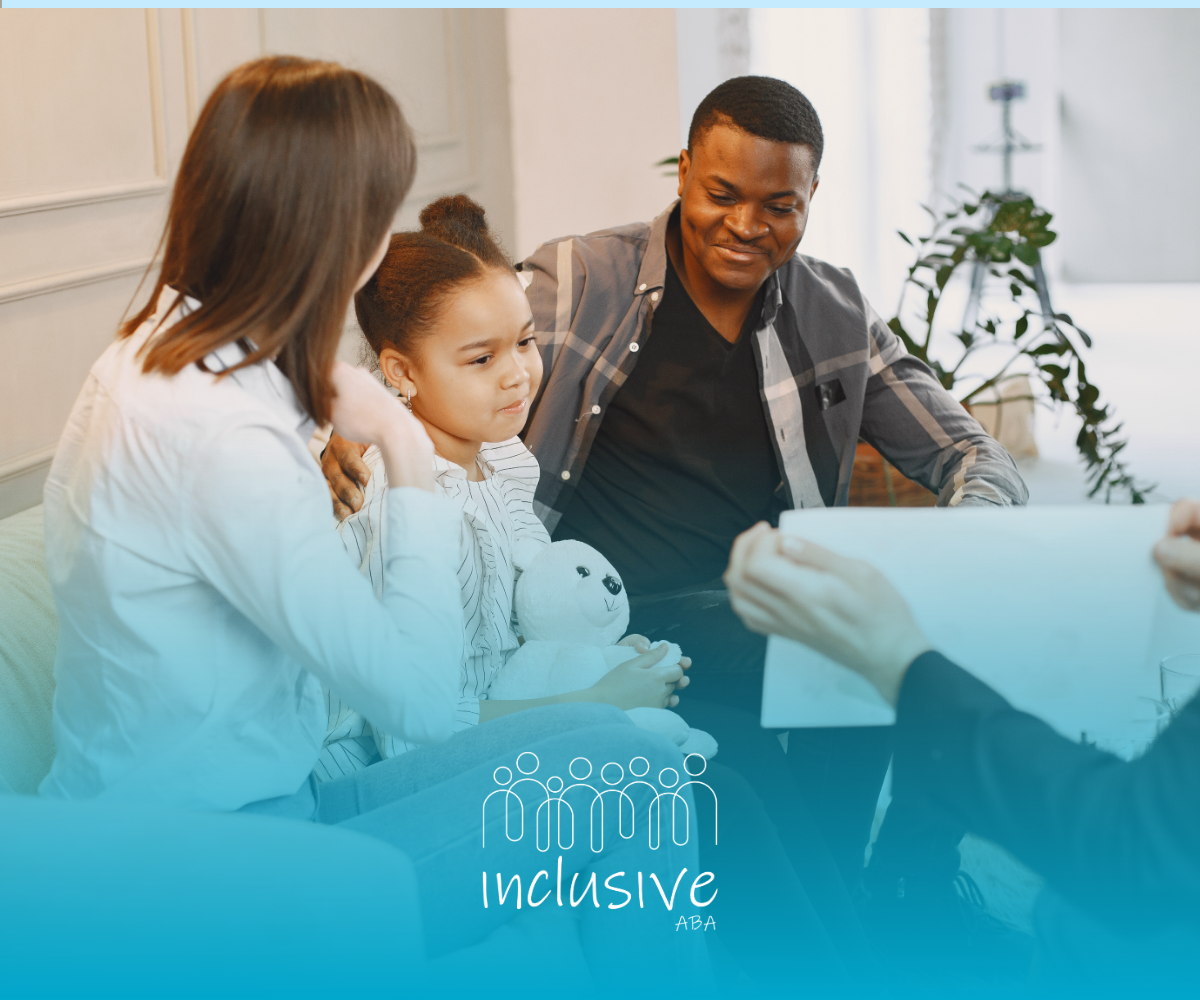
Your role as a parent is incredibly important in your child's social journey. Family involvement ensures continuity between what is learned in therapy and what is practiced in daily life. By creating a supportive environment at home, you can reinforce new skills and help your child feel more confident in their abilities.
This partnership between you and the therapy team is key to successful socialization. You have the power to create countless opportunities for your child to practice and grow every single day. Let's explore how you can be an active participant in your child's social development.
Parental Involvement in Continuity of Social Skill Development
Consistent parental involvement is one of the biggest factors in the long-term success of social skills training. When you actively participate in your child's therapy, you learn the same strategies the therapists use. This allows you to reinforce positive behaviors and gently correct mistakes as they happen in your day-to-day life.
This continuity accelerates the learning process and helps skills generalize more quickly. Your involvement in your child's social development also sends a powerful message of support, which can greatly boost their motivation and self-esteem.
Ultimately, your participation helps integrate these new skills into your family's life, leading to a better quality of life for everyone. You become a co-therapist, a coach, and your child's biggest cheerleader, all rolled into one.
Creating Opportunities for Socialization Outside of Therapy
While therapy provides the foundation, meaningful friendships are often built during unstructured playtime and community activities. As a parent, you can create opportunities for socialization that allow your child to practice their new skills in fun, low-pressure environments. This could be as simple as inviting a classmate over for a short playdate.
Involve other family members, like siblings or cousins, to help model positive social interactions. These familiar faces can make practicing social skills feel safer and more comfortable. The goal is to slowly expand your child's social circle and help them feel confident in various community settings.
Here are a few ideas:
- Plan short, structured playdates centered around an activity your child enjoys.
- Visit a local park or playground at the same time each week to foster familiarity with other children.
Success Stories: Real-Life Outcomes of ABA Friendship Building
The true measure of ABA's success is seen in the real-life outcomes for children and their families. There are countless success stories of children who, through dedicated therapy, have learned to form meaningful connections with their peers. These transformations go beyond just learning positive behaviors; they are about building genuine social relationships.
These stories highlight how personalized support can help a child navigate the social world with confidence and joy. Let's explore some examples of how ABA has helped children build friendships and the long-term benefits that follow.
Case Studies on Children Building Friendships through ABA
Consider a child who was once too shy to speak to anyone at school. Through ABA therapy, he learned simple conversation starters and practiced them with his therapist. Soon, he used these skills to ask a classmate about their favorite superhero, and a new friendship began to bloom. The therapy plan was tailored to his child’s needs, focusing on his interest in superheroes as a bridge to connection.
Another example is a child who struggled with sharing during playtime, leading to conflict with peers. ABA sessions focused on turn-taking games and rewarding cooperative play. Over time, she learned the joy of sharing and became a sought-after playmate on the playground.
These case studies show that by focusing on a child's unique strengths and challenges, ABA therapy can pave the way for a rich social life filled with friendships.
Long-Term Benefits for Social Relationships and Well-Being
The benefits of friendship building through ABA extend far beyond childhood. The social skills learned create a foundation for healthy social relationships throughout a person's life. This greatly enhances their overall well-being and quality of life, helping them feel connected and understood.
Having the ability to form meaningful relationships reduces feelings of isolation and can improve mental health. The confidence gained through successful positive social interactions empowers individuals to participate more fully in school, work, and their community.
Long-term benefits include:
- Increased self-esteem and social confidence.
- Greater independence in navigating social situations and forming meaningful relationships.
Conclusion
In conclusion, friendship building through Applied Behavior Analysis (ABA) is not just about teaching social skills; it's about creating meaningful connections that enrich a child's life. By focusing on key principles of ABA, like reinforcement, role-playing, and community integration, children can learn to navigate social situations more confidently. Overcoming challenges such as shyness or social anxiety becomes manageable as they practice these skills in supportive environments. Furthermore, parental involvement plays a critical role in reinforcing these lessons at home, ensuring continuity in their social development. Ultimately, the success stories emerging from ABA therapy highlight the long-term benefits of fostering friendships, leading to improved social relationships and overall well-being. If you're seeking ways to support your child's social growth, consider exploring ABA techniques further.
At Inclusive ABA, we believe friendships grow from understanding, confidence, and the right support. Working with families across Nevada, Nebraska, Colorado, Utah, Iowa, and Ohio, our ABA therapy programs focus on helping children navigate social moments with ease—from starting conversations to recognizing social cues and building trust with peers. By practicing these skills in everyday settings, children gain the tools they need to form authentic, rewarding connections. At Inclusive ABA, we’re proud to help children move beyond isolation and toward meaningful friendships that enrich their lives.
FAQs
What specific social skills are taught in ABA therapy to help children make friends?
ABA therapy teaches a range of social skills essential for making friends. These include initiating conversations, taking turns, sharing, and understanding non-verbal cues like facial expressions. For children on the autism spectrum, learning these specific social behaviors in a structured way helps them build lasting social connections.
Can ABA therapy improve peer interactions for shy or hesitant children?
Absolutely. ABA therapy is very effective for children experiencing shyness. It uses a gradual approach, starting with simple social situations and using positive reinforcement to build confidence. This helps reduce anxiety around peer interaction and makes socializing a more rewarding experience for the child.
How can parents effectively support friendship skills learned in ABA therapy?
Family involvement is key. Parents can support social skills training by practicing ABA strategies at home, creating regular opportunities for socialization, and communicating with the therapy team. This consistent approach to social development significantly improves a child's confidence and overall quality of life.
Sources:
- https://www.autismspeaks.org/applied-behavior-analysis
- https://www.psychiatry.org/patients-families/autism/what-is-autism-spectrum-disorder
- https://pmc.ncbi.nlm.nih.gov/articles/PMC7670840/
- https://www.autismspeaks.org/tool-kit/autism-care-networkair-p-visual-supports-and-autism
- http://www.autism-help.org/behavior-positive-reinforcement-autism.htm
- https://socialanxietyinstitute.org/what-is-social-anxiety
Looking for Expert Help? We're Here for You!
Our compassionate and skilled team is devoted to enhancing your child's development through customized ABA therapy. Let us partner with you to create a supportive environment for your child's success.
Discover how we can help your family thrive with expert ABA therapy.
Related Posts